PACK Acquire Bumanik Nickel Mine
23 Oct 2026, 09:19 AM 621

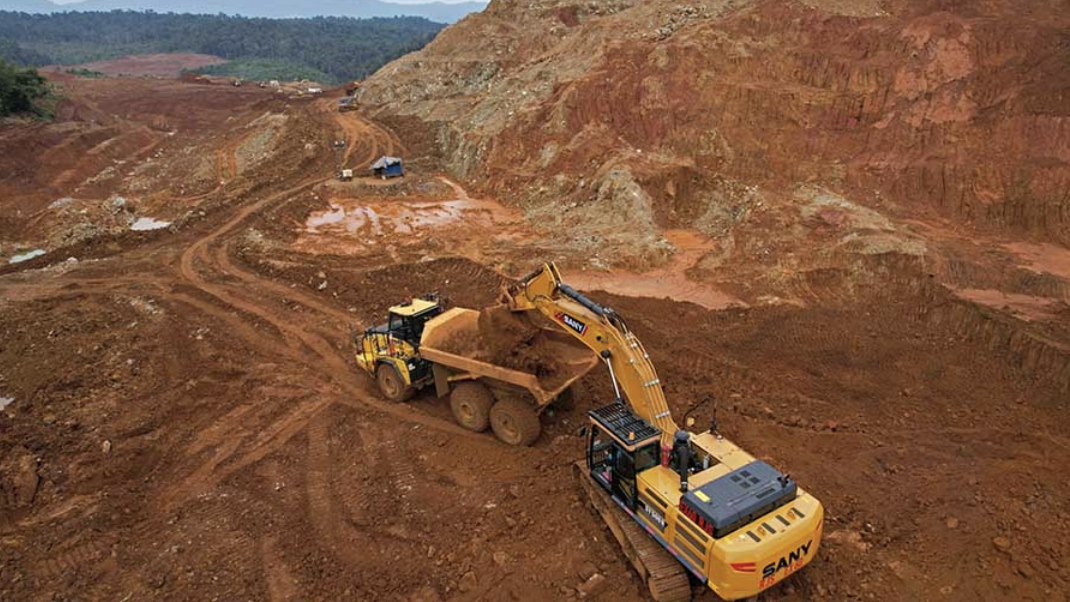
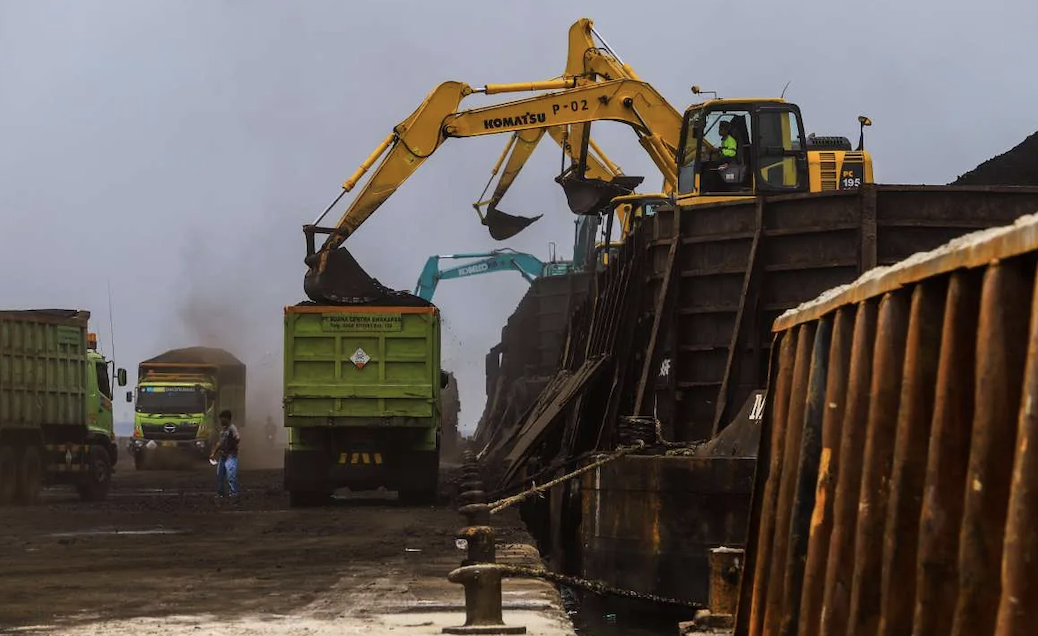
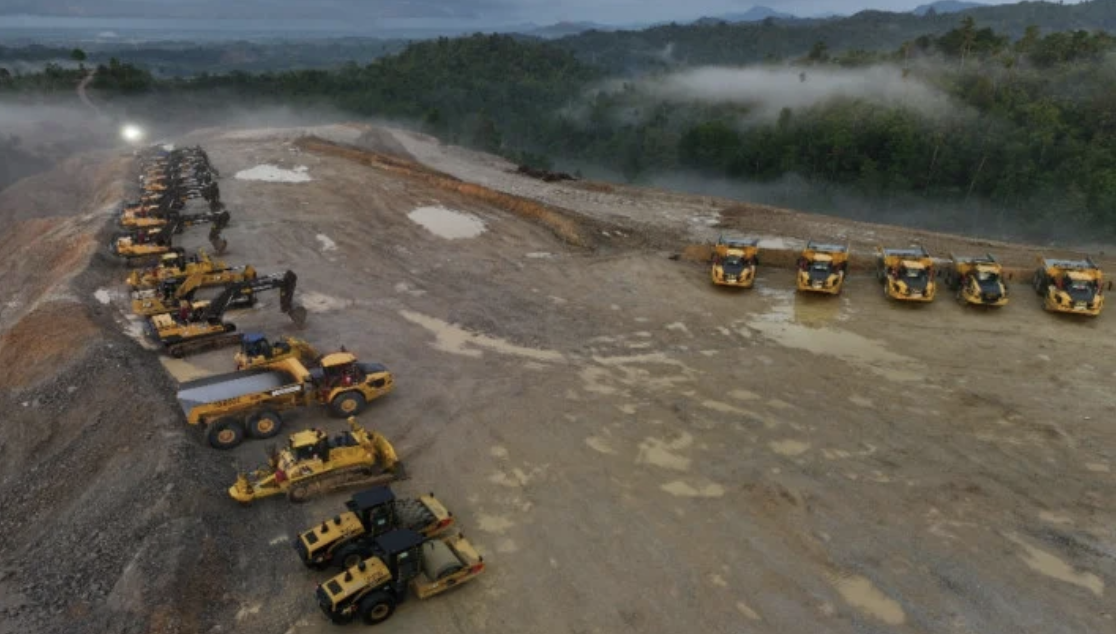
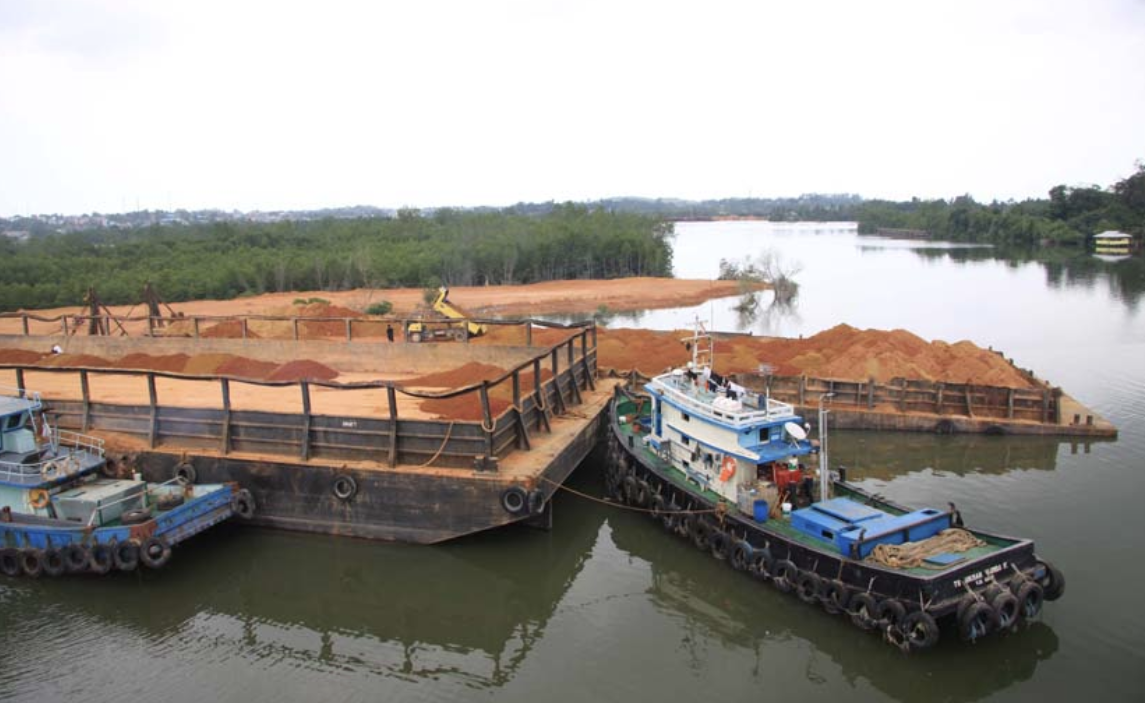
PT Abadi Nusantara Hijau Investama Tbk (PACK) plans to acquire a 100% stake in PT Bukit Makmur Istindo Nikeltama (Bumanik), a nickel ore mining company operating in North Morowali, Central Sulawesi.The company, backed by CNGR boss Deng Weiming and Haji Isam, will spend around USD 79 million, equivalent to IDR 1.4 trillion, to acquire Bumanik.The acquisition is part of PACK’s expansion strategy in the mineral mining sector, particularly nickel, while strengthening the company’s business portfolio through the addition of mining assets.Citing a disclosure, PACK will carry out the acquisition through two subsidiaries, namely PT Daya Unggul Raya and PT Gemilang Padma Raya.The two entities will acquire all of Bumanik’s shares from PT Merlot Grup Indonesia and Pure Venture Capitol Limited.The transaction value of USD 79 million is equivalent to IDR 1.39 trillion, based on an exchange rate assumption of IDR 17,703 per USD. The company stated that the transaction value represents 26.40% of PACK’s consolidated equity as of August 31, 2026.Management said the acquisition of Bumanik aims to develop the company’s business activities in North Morowali, Central Sulawesi, and improve business performance as a holding company focused on the nickel ore mining industry.Once the transaction is completed, Bumanik will become an indirectly controlled company of PACK.Bumanik was established in 2006 and operates in nickel ore mining. According to PACK’s disclosure, the company holds a concession area spanning 4,778 hectares in North Morowali, Central Sulawesi.In its operations, Bumanik is engaged in nickel ore mining. The company also has experience in trading mining products and developing nickel projects in Indonesia.According to information on the company’s official website, Bumanik began exploration activities in 2006.The company also disclosed that it has developed supporting infrastructure, including an approximately 6.3-kilometer haul road connecting the initial project area in the Keuno Block to the jetty area.Before the acquisition, Bumanik was 98.99% owned by PT Merlot Grup Indonesia and 1.01% by Pure Venture Capitol Limited. Through the transaction, PACK plans to acquire the company’s entire ownership.Bumanik’s Financial PerformanceFinancially, Bumanik recorded net sales of IDR 1.08 trillion in the eight months ended August 31, 2026. This was an increase from net sales of IDR 790.41 billion in the same period a year earlier.However, Bumanik’s profit for the period stood at IDR 242.59 billion through August 2026, lower than IDR 314.47 billion in the same period of 2025.Based on its audited financial statements, Bumanik recorded total assets of IDR 1.53 trillion as of August 31, 2026. In the same period, the company’s total liabilities stood at IDR 1.16 trillion, while total equity reached IDR 369.96 billion.Meanwhile, throughout 2025, Bumanik recorded a loss for the period of IDR 118.78 billion, with net sales of IDR 1.05 trillion.The market value of 100% of Bumanik’s shares, based on an assessment by public appraisal firm Kusnanto & Rekan, reached IDR 1.439 trillion. The independent appraiser stated that the acquisition of Bumanik was fair.

Antam Set to Take Over Operations at New Gold Mine in Papua
23 Oct 2026, 09:17 AM 501

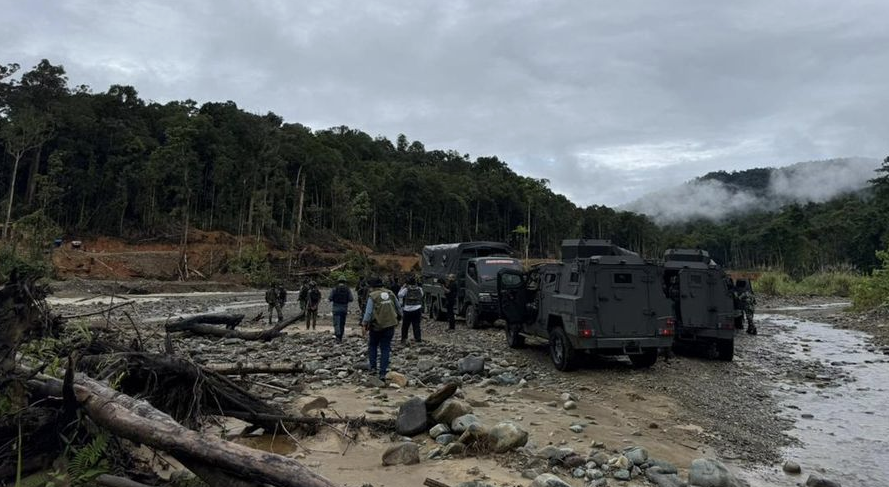
The Forest Area Enforcement Task Force (Satgas PKH) has finally shut down the operations of a 275.36-hectare gold mine owned by PT Kristalin Eka Lestari in Makimi District, Nabire, Central Papua. The enforcement and closure of the area were carried out to ensure that the gold mining land is brought under state control.After the land is taken over by the state, the government is reportedly planning to hand it over to state-owned mining company PT Aneka Tambang Tbk (ANTM).Satgas PKH Steering Committee Chair and Defense Minister Sjafrie Sjamsoeddin personally led the enforcement operation at the gold mining site on Thursday (October 22, 2026). He oversaw the closure alongside Deputy Defense Minister General TNI Richard Tampubolon, the attorney general, the TNI commander, the National Police chief, and the governor of Central Papua.“Enforcement against illegal mining operations continues despite resistance” the @kemhanri Instagram account wrote in a post, as quoted on Friday (October 23, 2026).The enforcement operation at the gold mine was carried out in accordance with Presidential Regulation No. 5/2025. Before the closure, the government had revoked PT Kristalin Eka Lestari’s mining business license on October 12, 2026.“This step underscores the state’s presence in enforcing the law, safeguarding the sovereignty of natural resources, and prioritizing the welfare of the people of Papua” @kemhanri wrote.Following the enforcement operation, the government plans to hand over the 275.36-hectare gold mining area to state-owned company PT Antam, which will subsequently manage the site as both operator and investor.

EMAS Accelerates CIL 2 Facility Project to Double Pani Gold Mine’s Production Capacity
22 Oct 2026, 09:38 AM 400

PT Merdeka Gold Resources Tbk (EMAS) will accelerate the Pani Gold Mine project by adding a second Carbon-in-Leach (“CIL”) facility to potentially double future production. Following the successful commissioning of both facilities, combined CIL capacity will increase from 250,000 - 350,000 ounces per year to 500,000 - 700,000 ounces per year.The Phase 1 CIL facility is under construction with a processing capacity of 12 million tonnes per annum (“Mtpa”), with 20% surge capacity that would allow throughput to reach 14.4 Mtpa.This higher processing capacity marks a significant step in the Pani Gold Mine's transition from its current ramp-up phase toward larger-scale operations with stronger cash-generation capabilities.The Company is also accelerating development of the second CIL facility, which will be comparable in scale to Phase 1 and will double the Pani Gold Mine's CIL processing capacity once completed.“Phase 1 CIL project is progressing well in engineering, procurement, and construction. By designing a plant that can accommodate additional capacity, we have secured the planned throughput targets while providing room for further increases. Our plan to build a second CIL facility will significantly increase Pani's gold production capacity, while accelerating Phase 2 will enable us to bring forward future cash flow generation. Collectively, these developments strengthen the Company's position as a large-scale gold mining operation,” said Boyke P. Abidin, President Director of PT Merdeka Gold Resources Tbk.Construction progress on Phase 1 continues across all work areas. Basic engineering has been completed, detailed engineering is well advanced, all major long-lead equipment has been prepared, and construction contractors have been mobilized to the site. Civil works have also commenced in several areas, including milling, leaching, and thickening.Construction of the Tailings Storage Facility (TSF) is also progressing well, including the coffer dams and water diversion systems ahead of starter dam embankment filling.The Phase 1 design has also incorporated key infrastructure required for Phase 2 CIL. Crushing, conveying, stockpiling, water utilities, and reagent systems are being developed as part of Phase 1, while bulk earthworks for Phase 2 will also be completed under Phase 1.This will allow the second facility to follow a more efficient and structured construction program. Phase 2 development will strategically proceed immediately following the successful commissioning and operational ramp-up of Phase 1.The Company is currently preparing an updated feasibility study covering Phase 2. The study will reflect revised production profiles, capital requirements, and project economics. With Phase 1 construction progressing and Phase 2 being accelerated, EMAS is well positioned to significantly expand the Pani Gold Mine's processing capacity and production scale.The phased CIL expansion is expected to strengthen the mine's long-term operational profile and accelerate its contribution to EMAS's future revenue and cash flow.Nevertheless, these projects remain subject to a highly dynamic operating environment. Macroeconomic volatility, supply chain uncertainties, operational complexities, and changes in the regulatory landscape could affect project execution timelines.

Q3 2026 Downstreaming Investment Reaches IDR 179.9 Trillion, Bauxite Overtakes Nickel
20 Oct 2026, 09:26 AM 384

The Ministry of Investment and Downstreaming/Investment Coordinating Board (BKPM) reported that downstreaming investment realization in the third quarter of 2026 reached IDR 179.9 trillion, up 19.4% year-on-year (yoy).Bauxite downstreaming was the largest contributor to downstreaming investment in the third quarter of 2026, with IDR 61.9 trillion, exceeding nickel downstreaming investment of IDR 48 trillion.During the same period, investment in iron and steel reached IDR 10.5 trillion, copper investment totaled IDR 2.1 trillion, gold and silver investment stood at IDR 1.6 trillion, and investment in other minerals amounted to IDR 4.5 trillion.Overall, investment realization in mineral downstreaming reached IDR 128.6 trillion in the third quarter of 2026.“Investment realization in the third quarter of 2026 reached IDR 528.7 trillion. Meanwhile, total investment from January to September 2026 reached IDR 1,539.2 trillion, or 75.4% of the target,” Investment and Downstreaming Minister and BKPM Head Rosan Perkasa Roeslani said at a press conference at the Presidential Palace on Monday (October 19, 2026).Outside the mineral sector, investment realization in plantation and forestry downstreaming reached IDR 29.2 trillion in the third quarter of 2026.The investment was supported by the palm oil sector, which accounted for IDR 14.9 trillion, followed by logs at Rp9 trillion, rubber at IDR 3.9 trillion, and other commodities at IDR 1.4 trillion.Meanwhile, investment realization in oil and gas downstreaming reached IDR 18.6 trillion in the third quarter of 2026. This comprised IDR 14.7 trillion in oil investment and IDR 3.9 trillion in natural gas investment.Investment in fisheries and marine downstreaming reached IDR 3.5 trillion.By location, Central Sulawesi recorded the highest downstreaming investment realization in the third quarter of 2026, at IDR 44.2 trillion.North Maluku ranked second with IDR 30.1 trillion, followed by West Kalimantan at IDR 23.9 trillion, Southeast Sulawesi at IDR 15.7 trillion, and West Java at IDR 11.1 trillion.By source of capital, downstreaming investment was dominated by foreign direct investment (FDI), which totaled IDR 144.8 trillion, or 80% of total realization. Domestic direct investment (DDI) accounted for IDR 35.1 trillion, or 20%.Hong Kong was the largest source of FDI, with investment totaling IDR 70.7 trillion. Singapore followed with IDR 50.4 trillion, South Korea with IDR 6.3 trillion, China with IDR 5.8 trillion, and Japan with IDR 3.8 trillion.Cumulative RealizationFrom January to September 2026, downstreaming investment realization reached IDR 480 trillion, representing an 11.3% increase from the same period a year earlier.Rosan said the mineral downstreaming sector supported investment during January–September 2026, with realization reaching IDR 335.1 trillion.In detail, nickel downstreaming remained the largest contributor to downstreaming investment through the third quarter of 2026, at IDR 118.9 trillion.Bauxite ranked second, with downstreaming investment realization of IDR 115.7 trillion, followed by iron and steel downstreaming at IDR 40.8 trillion.Copper downstreaming recorded investment realization of IDR 39.5 trillion, followed by silica sand downstreaming at IDR 7 trillion and other mineral commodities at IDR 13.2 trillion.“Minerals remain the largest contributor, with a value of IDR 335.1 trillion, comprising nickel, bauxite, iron and steel, copper, silica sand, and other commodities. In addition, plantation and forestry downstreaming accounted for IDR 83.6 trillion, oil and gas for IDR 54 trillion, and fisheries and marine downstreaming for IDR 7.3 trillion,” Rosan emphasized.In the first half of 2026, downstreaming investment realization reached IDR 300.1 trillion, accounting for 29.7% of total investment realization of IDR 1,010.6 trillion. This represented 6.9% growth compared with the same period a year earlier.The main contributor to downstreaming investment in the first half of 2026 was the mineral sector, which accounted for IDR 206 trillion, primarily driven by nickel, bauxite, and copper.
Indonesia’s Mineral and Coal Exports Rise, Nickel Exports Hit IDR 467.55 Trillion
19 Oct 2026, 08:48 AM 780

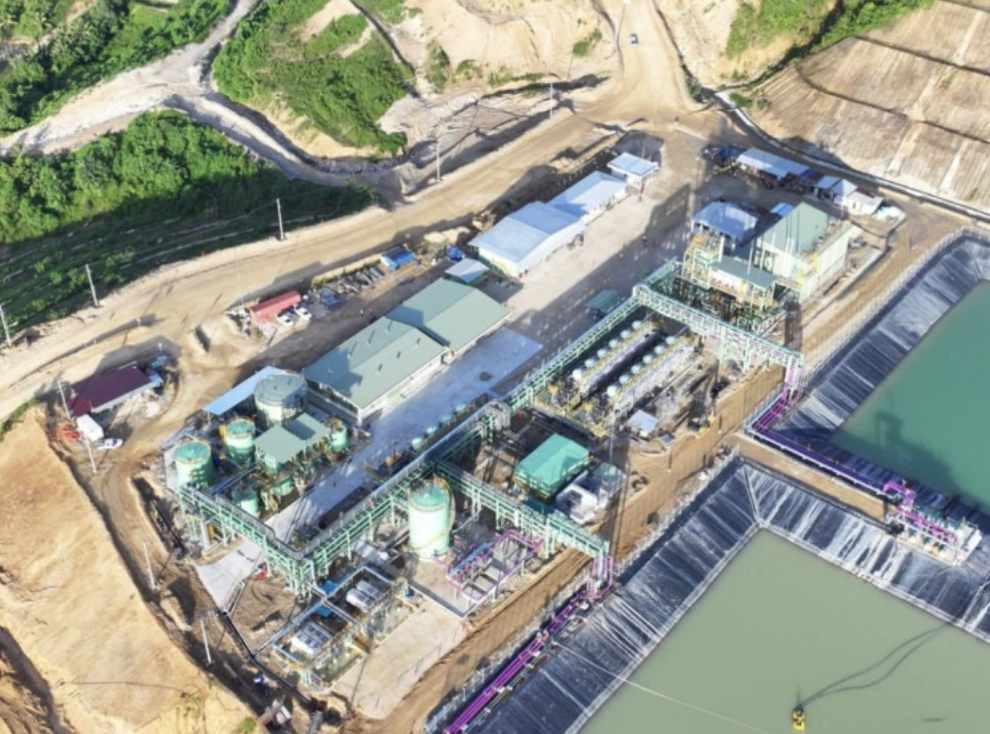
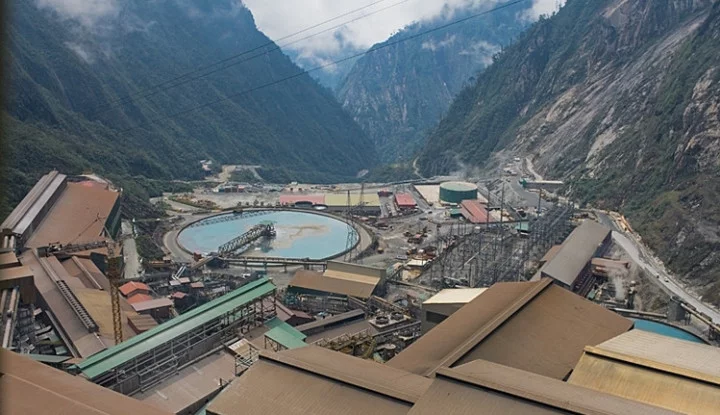
The Ministry of Energy and Mineral Resources (ESDM) recorded an increase in the export value of mineral and coal commodities during the January - August 2026 period.The ministry claimed that the increase in export value indicated a positive trend and tangible evidence of the success of downstream processing."Supply controls help maintain a balance between commodity volumes and prices. As a result, although export volumes declined, higher prices were able to sustain growth in export value" the ministry wrote on the official Instagram account of the Directorate General of Mineral and Coal @ditjenminerba, as quoted on Sunday (18/10/2026).The ministry also said that through downstream processing, Indonesia continues to promote the optimal utilization of mineral and coal resources, strengthen the competitiveness of national products, and increase economic value for the nation."Downstream processing is not merely about processing resources, but also about creating added value for Indonesia" it said.In detail, the export value of nickel and its derivative products reached USD 25.9 billion, equivalent to IDR 467.55 trillion (assuming an exchange rate of IDR 18,052 per US dollar), throughout January - August 2026. This figure increased by 17.2% compared with the same period the previous year (year-on-year/yoy).However, export volumes of these commodities fell by 3.8% to 1,571 kilotons during January - August 2026. Nickel commodity exports included nickel pig iron (NPI), ferronickel (FeNi), stainless steel, nickel matte, mixed hydroxide precipitate (MHP), nickel sulphate, and nickel metal.Meanwhile, coal export value rose by 7.8% to USD 20.8 billion, equivalent to IDR 375.49 trillion, throughout January - August 2026. However, export volumes of the black gold commodity fell by 7% to 307,051 kilotons. Coal exports comprised sub-bituminous, lignite, bituminous, and anthracite.Next, bauxite export value increased by 43.5% to USD 3.8 billion, equivalent to IDR 68.5 trillion, throughout January - August 2026. Similarly, export volumes of the mineral commodity also rose by 25.5% to 4,680 kilotons. Bauxite exports comprised alumina (HS 2818) and aluminium (HS 7601).Meanwhile, copper (cathode) export value reached USD 2.2 billion, equivalent to IDR 39.7 trillion, throughout January - August 2026. This figure rose by 47.2% year-on-year.Meanwhile, copper export volumes increased by 3.5% to 164 kilotons. Exports of copper cathodes and other processed copper products now account for 70% of total copper. This figure represents an increase of 130% from the previous year.

Revised 2026 Work Plans Approved: Coal and Nickel Output Targets Set
18 Oct 2026, 09:01 AM 935

The Ministry of Energy and Mineral Resources (ESDM) has agreed on coal and nickel production quotas under the revised 2026 Work Plan and Budget (RKAB).Director General of Mineral and Coal at the Ministry of Energy and Mineral Resources Tri Winarno said the revised 2026 RKAB had been approved with a coal production target of around 700 million tons and nickel production of around 290 million tons."Coal stands at (700 million tons). Nickel is around 290 million tons" he said at the ESDM Ministry office on Sunday (18/10/2026).With the approval of the revised 2026 RKAB, Tri expressed hope that production activities for coal, nickel, and other mining commodities would proceed without disruption."The figures are not that detailed. But clearly, hopefully, there will be no obstacles to production and other activities" he continued.Tri said he was not yet able to disclose the coal and nickel production quota targets under the 2027 RKAB, for which submissions have opened."Not yet, it is still under evaluation," he added briefly.He added that the government had allocated coal to meet domestic market obligation (DMO) requirements, particularly for PT PLN power plants, at around 154 million tons in 2026."As for the DMO figures, the requirement for 2026, particularly for PLN, is around 154 million tons. This, God willing, is already done," Tri said.Previously, industry players, particularly in the coal mining sector, had urged the government to allow greater flexibility to increase the national coal production quota under the revised 2026 RKAB. This came amid production adjustments faced by coal mining companies since the beginning of the year.

Merdeka Gold (EMAS) Targets 700,000 Ounces of Gold Production, Ramps Up Pani Mine Development
16 Oct 2026, 09:04 AM 661

PT Merdeka Gold Resources Tbk. (EMAS) is accelerating the development of its Pani Gold Mine through the construction of a second-phase carbon-in-leach (CIL) processing facility to increase processing capacity and support the company's gold production expansion.Merdeka Gold Resources President Director Boyke P. Abidin said construction of the first-phase CIL facility was progressing, while the company was also accelerating preparations for the second phase, which is designed to be comparable in scale to the first facility.“The Phase 1 CIL project is making good progress in engineering, procurement, and construction. By designing a plant that can accommodate additional capacity, we have secured our planned production targets while also providing room for further increases,” he said in a press release on Friday (16/10/2026).Once both facilities have completed operational trials, or commissioning, the combined CIL processing capacity is targeted to reach 500,000-700,000 ounces per year, up from the initial capacity of 250,000-350,000 ounces per year.The first-phase CIL facility is designed to have a processing capacity of 12 million tonnes per annum (Mtpa), with an additional capacity of up to 20% that would allow processing volumes to reach 14.4 Mtpa.Boyke said construction of the second facility would increase gold production capacity at the Pani Gold Mine while accelerating the company's future cash flow generation.“Our plan to build a second CIL facility will significantly increase gold production capacity at Pani, while accelerating Phase 2 will enable us to bring forward future cash flow generation” he said.In terms of construction, basic engineering for the first-phase CIL facility has been completed, while detailed engineering is at an advanced stage. All major equipment requiring long lead times has also been prepared, and construction contractors have been mobilized to the project site.Civil works have begun in several areas, including grinding, leaching, and thickening. Construction of the tailings storage facility (TSF) is also progressing, including the construction of a diversion dam and water diversion systems ahead of the filling of the initial dam embankment.The company has also incorporated several key infrastructure components needed to support the second-phase CIL facility into the first-phase design. These include crushing, conveying, stacking, water utilities, and reagent systems.In addition, preliminary construction work, including large-scale land preparation for the second phase, will be completed as part of the first phase. This step is expected to make construction of the second facility more efficient and structured.Development of the second phase will proceed after the first-phase facility has successfully completed commissioning and increased its operational capacity.EMAS is also preparing an updated feasibility study covering the second phase. The study will take into account changes in the production profile, capital requirements, and project economics following the expansion.The company expects the phased expansion of its CIL facilities to increase the operational scale of the Pani Gold Mine and accelerate the mine's contribution to EMAS' revenue and cash flow.Nevertheless, the project remains exposed to several risks, including macroeconomic volatility, supply chain uncertainties, operational complexities, and regulatory changes that could affect the project completion schedule.

MBMA Spends IDR 58.18 Billion on Exploration at Sulawesi Cahaya Mineral Mine
15 Oct 2026, 09:08 AM 500

PT Merdeka Battery Materials Tbk (MBMA) estimates that it spent IDR58.18 billion on exploration at the Sulawesi Cahaya Mineral (SCM) Mine in Konawe, Southeast Sulawesi, during the third quarter of 2026.According to a company disclosure, the expenditure amounted to around USD 3.26 million and was used for drilling activities to define mineral resources over the life of the mine, along with related testing work.In its report, MBMA said it had completed 1,607 core drilling holes, reaching a total depth of 41,289 meters. The activities were dominated by infill drilling to increase confidence in mineral resource estimates.Merdeka Battery Materials Corporate Secretary Teddy Nuryanto Oetomo said regional exploration remained at an early stage. Preliminary results showed positive indications, but their contribution to mineral reserves had yet to be determined.“Although the results obtained so far show positive indications, further evaluation is needed to assess their potential contribution to mineral reserves and the operational sustainability of the Sulawesi Cahaya Mineral Mine,” he wrote in a company disclosure on Thursday (15/10).Meanwhile, MBMA management said it had not encountered any technical or non-technical obstacles that could affect exploration activities or the sustainability of raw material supplies from the Sulawesi Cahaya Mineral Mine.“Nevertheless, potential risks may arise in the future due to changes in applicable policies or regulations, including but not limited to licensing, environmental, and other relevant aspects,” Teddy said.Furthermore, Teddy said the company would continue to monitor developments in relevant policies and regulations while ensuring compliance with applicable requirements. This is intended to mitigate potential risks that could affect exploration activities.

ARCI Reports 70,138 Metres of Drilling at Toka Tindung Gold Mine
13 Oct 2026, 09:10 AM 346

Exploration activities at the Toka Tindung gold mine recorded 244 drill holes with a total depth of 70,138 meters during the first nine months of 2026, according to Investasi.The activities were carried out by PT Maxidrill Indonesia using Diamond Drilling (DD) and Reverse Circulation (RC) methods to support mineral exploration.ARCI conducted drilling in stages throughout the first three quarters of 2026. Each period recorded different numbers of drill holes and drilling depths in line with the exploration work plan.In the first quarter of 2026, drilling covered 76 holes with a total depth of 20,793 meters. The second quarter subsequently recorded 87 holes with a depth of 25,149 meters.Meanwhile, the third quarter of 2026 recorded 81 drill holes with a total depth of 24,196 meters.ARCI selectively determines exploration areas based on historical exploration results indicating potential mineralization.In addition to historical data, area selection also takes into account available geological information and interpretation results. This approach is used to optimize opportunities to discover economically viable mineral resources.The Toka Tindung gold mine is located approximately 35 kilometers northeast of Manado, North Sulawesi. ARCI owns 100% of the mine through MSM and TTN.The Toka Tindung operating area comprises two Contracts of Work (CoWs) covering a total area of 39,817 hectares. The concession areas are located within North Minahasa Regency and Bitung City, North Sulawesi.In its report, ARCI stated that the Contracts of Work held by MSM and TTN remain valid until 2041.Both companies have the right to apply for extensions under amendments to the applicable mining legislation.The extensions may take the form of Special Mining Business Licenses (IUPK) for the continuation of operations under the Contracts of Work.Under these provisions, MSM and TTN are eligible for two extensions, each with a maximum term of 10 years.The expansion of exploration activities forms part of ARCI's efforts to evaluate resource potential within the mining areas it manages.By combining drilling methods with geological data analysis, the company is mapping mineralization potential in designated areas.

Bauxite Downstreaming Cuts Alumina Imports, Saving Inalum IDR 9 Trillion in Foreign Exchange
13 Oct 2026, 09:05 AM 378

PT Indonesia Asahan Aluminium (Inalum) is saving around IDR 7 trillion to IDR 9 trillion in foreign exchange annually after stopping alumina imports to meet its raw material requirements for aluminium production. The savings are supported by the operation of domestic bauxite refining facilities that produce alumina as part of MIND ID Group's mineral downstreaming efforts.Inalum Director of Corporate Strategy, Business Development, and Commercial Arif Haendra said the availability of domestic alumina had reduced the company's dependence on overseas raw material supplies. Inalum now sources alumina from refining facilities developed within the national bauxite-alumina-aluminium industrial ecosystem.“Now that we have our own alumina, we no longer need to import it. That has saved around IDR 7 trillion to IDR 9 trillion in foreign exchange. Inalum no longer imports alumina” Arif said at BIG Downstream Insight 2026, as quoted on Tuesday (13/10/2026).The strengthening of raw material supplies is supported by the development of a bauxite-alumina-aluminium downstreaming ecosystem by Inalum and PT Aneka Tambang Tbk (ANTAM) in Mempawah, West Kalimantan. The area comprises six projects, including five projects under MIND ID Group and one owned by Pelindo.Upstream, bauxite ore supplies come from one mining business license (IUP) held by ANTAM and six IUPs held by its subsidiaries. The ore is then processed at the Smelter Grade Alumina Refinery (SGAR) into alumina to meet the needs of the aluminium industry.SGAR Phase I is currently operational, with a production capacity of 1 million tons of alumina per year. Of this volume, around 550,000 tons are allocated to meet Inalum's needs under a long-term agreement, while the remaining 450,000 tons are intended for export.This production capacity allows alumina supplies for domestic needs to run alongside sales to international markets. The presence of domestic refining facilities also strengthens the links between bauxite mining and aluminium processing, enabling mineral raw materials to be further utilized within the country.Inalum and ANTAM are preparing to develop SGAR Phase II to further strengthen the downstreaming ecosystem. Arif said the bankable feasibility study (BFS) for the project had been completed and that it would soon proceed to the final investment decision (FID) stage.The development of the bauxite-alumina-aluminium industrial chain is expected to strengthen raw material supply independence while improving the competitiveness of the national processing industry. Domestic alumina availability also provides a foundation for the development of various aluminium-consuming sectors, ranging from electric vehicle manufacturing and construction to transportation and electricity.

Advertisement


Get Your Pass